
My Story
Lupus is an autoimmune disease — a condition where the immune system, which is meant to protect the body, turns against it instead. Systemic Lupus Erythematosus, or SLE, is the most common and most serious form. It can attack almost any part of the body: the skin, the joints, the kidneys, the heart, the lungs, the brain. It has no cure, and no single face. It is often called an invisible illness, because most of the time, you cannot see it happening at all.
I know this not from a textbook, but from the inside.
2012
I was twelve years old when I was diagnosed with SLE. By the time doctors understood what was happening in my body, I was already in acute kidney failure, and fluid had begun collecting around my lungs — so much that I couldn't lie down without struggling to breathe.
“I was knocking on death's door.” What my doctor told my parents, 2012
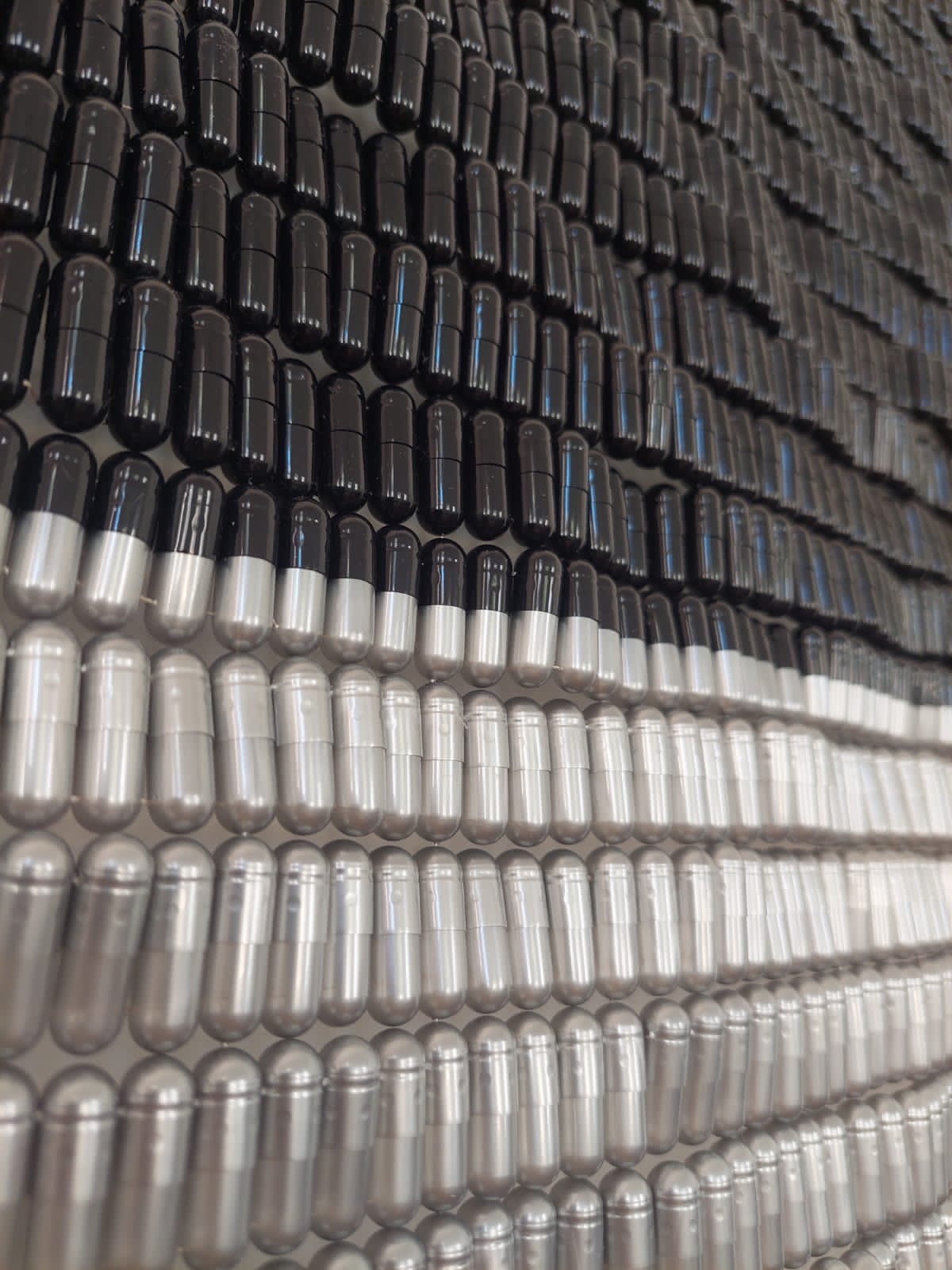
I had surgery to insert a dialysis line, and for about a month, dialysis kept me alive. I was allowed 200 millilitres of fluid a day — less than a single juice box. By the time I was finally discharged, I was taking forty pills a day. Fifteen of them were steroids. I was twelve.
The Years Between
What comes after a diagnosis like that isn't just physical recovery — it's a much slower, much messier reckoning. I struggled to accept what had happened to me and what it meant for the rest of my life. There was depression I didn't have language for yet. There was fatigue that didn't lift no matter how much I slept, and brain fog that made me feel like a stranger in my own mind. There was chronic pain, and the particular cruelty of medications that were supposed to help me but came with their own brutal side effects. Underneath all of it was grief — for a childhood and a version of my life that had been taken from me before I'd even had the chance to live it.
2022
I passed my ten-year anniversary with lupus in 2022, and that year turned out to be one of the hardest of my life. I was admitted to hospital again, this time with acute kidney failure and TB pericarditis — tuberculosis of the heart. During surgery, doctors drained 600 millilitres of fluid that had built up around my heart.
Afterwards I was put on cyclophosphamide, a chemotherapy drug. It brought a level of fatigue and nausea I'd never experienced before — I couldn't keep anything I ate down. The day after my first infusion, I was hit with severe pain that turned out to be an ovarian cyst. It was too dangerous to operate, so all anyone could do was manage it with pain medication and wait.
A few months later, I was started on blood thinners. One morning I woke up in pain again — this time, a hernia. Because I was on blood thinners, I had to have plasma infusions before doctors could safely operate to fix it.
Early 2023
It's believed that my TB medication triggered a manic episode — another thing my body, and my mind, had to survive that year.
Why I Create
My story is only one out of millions. Every person living with lupus carries some version of this: hospital rooms, medication lists, invisible pain that other people can't see and sometimes don't believe. That's the reality for most of us living with invisible illness — we look fine, and we are fighting for our lives.
It's part of why I make art. My work is how I take these stories — mine and the ones I recognise in others — and make them visible. Lupus tried to take my childhood, my body, and at times my sense of who I was. Art is how I take some of it back, and how I make sure stories like this one don't stay invisible either.